Pine Pellet Cat Litter: Why More Cat Owners Are Switching to Wood Pellets?
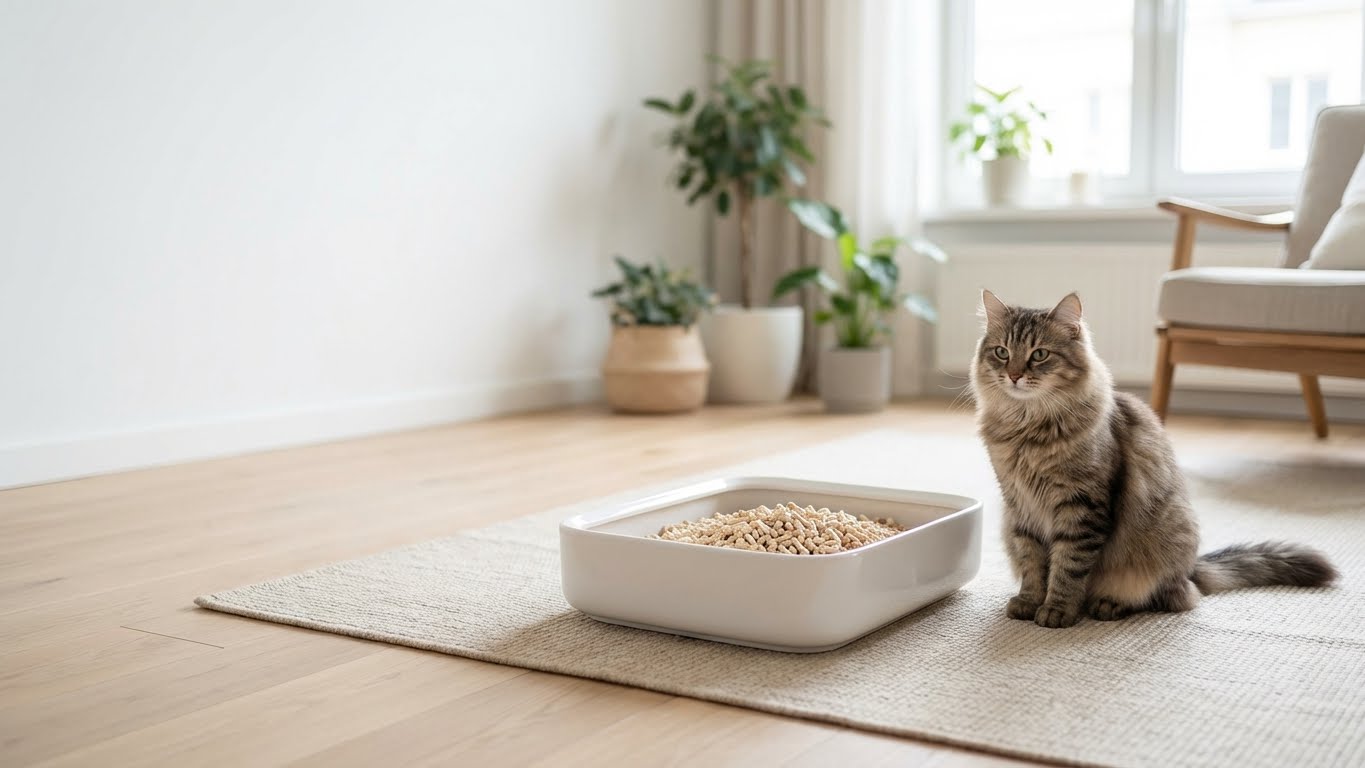
Across Europe, more cat owners are rethinking the products they use in their homes—especially when it comes to cat litter. Traditional clay litter has been the default choice for years, but concerns about dust, odor, environmental impact, and long-term cost are pushing many people to explore alternatives.
One option gaining steady attention is pine pellet cat litter. Made from compressed natural wood, pine pellets offer a simpler, cleaner, and more eco-friendly solution that fits well with modern European values of sustainability and animal welfare.
In this article, we’ll explore what pine pellet litter is, why cat owners are switching to it, and whether it could be the right choice for you and your cat.
What Is Pine Pellet Cat Litter?
Pine pellet cat litter is made from compressed pine wood sawdust formed into small, firm pellets. These pellets are commonly used in heating systems and animal bedding, but their absorbent and natural properties also make them suitable for use as cat litter pellets.
When a cat urinates on pine pellets, the moisture causes the pellets to break down into sawdust. This natural process absorbs liquid efficiently and helps neutralise odours without added chemicals or perfumes.
When a cat urinates on pine pellets, the moisture causes the pellets to break down into sawdust. This natural process absorbs liquid efficiently and helps neutralise odours without added chemicals or perfumes.
Unlike traditional clay litter, pine wood pellet cat litter is biodegradable and typically free from synthetic additives.
Why Cat Owners Are Switching to Pine Pellet Litter Many European cat owners report switching to pine pellet litter for a combination of practical and ethical reasons:
-
- Growing concern about environmental impact
- Desire for low-dust, cleaner indoor air
- Preference for natural, chemical-free products
- Rising costs of premium clay litter
For households focused on sustainability, pine pellet litter aligns better with eco-conscious living while still performing well in daily use.
Key Benefits of Pine Pellet Cat Litter
1. Environmentally Friendly
One of the biggest advantages of pine pellet litter is its low environmental footprint. Pine pellets are usually made from recycled wood by-products, meaning fewer natural resources are wasted.
Many European users appreciate that pine pellets are biodegradable and often compostable (depending on local regulations), unlike clay litter, which is strip-mined and non-renewable.
2. Low Dust for Healthier Homes
Traditional clay litter can release fine dust particles into the air, which may affect both human and feline respiratory health.
Pine pellet litter produces very little dust, making it a popular option for:
- Cats with respiratory sensitivities
- Kittens
- Indoor households with limited ventilation
3. Natural Odour Control
Instead of masking smells with artificial fragrances, pine pellets neutralise odours naturally. The wood absorbs moisture and releases a mild, natural pine scent that many owners find more pleasant than perfumed litters.
This makes pine pellet litter especially appealing for apartments and shared living spaces common across Europe.
4. Less Tracking Around the House
Because the pellets are larger and heavier than fine clay granules, they are less likely to stick to a cat’s paws. This often results in:
- Cleaner floors
- Less litter outside the tray
- Easier daily maintenance
5. Cost-Effective Over Time
Although the initial purchase price of pine pellets may vary, many cat owners find them more economical in the long run. The pellets last longer per use, and you typically replace only the broken-down sawdust instead of the entire tray.
Understanding Cat Behavior and Litter Preferences
Cats are naturally selective animals, especially when it comes to their litter box. In the wild, cats instinctively choose soft, natural substrates that allow them to dig, cover waste, and avoid strong scents that could attract predators.
Pine pellet cat litter aligns closely with these natural instincts. Unlike perfumed clay litters, pine pellets do not overwhelm a cat’s sensitive sense of smell. The mild, natural wood scent is far closer to what cats would encounter in nature, which is one reason many cats adapt well after a short transition period.
Additionally, the firmness of the pellets provides tactile feedback that many cats find reassuring. Once the pellets break down into sawdust, the texture becomes even more comfortable for digging and covering.
The Veterinary Perspective on Pine Pellet Cat Litter
Many veterinarians across Europe increasingly recommend low-dust, natural litter options—especially for cats with respiratory sensitivities, allergies, or asthma.
Clay litter dust can be inhaled over time, potentially irritating a cat’s lungs and nasal passages. Pine pellet litter, by contrast, produces minimal airborne particles, reducing long-term respiratory risks.
Veterinary professionals also appreciate that pine pellets are typically free from chemical fragrances, dyes, and artificial binders, which may cause skin or paw irritation in sensitive cats.
While no litter is universally perfect, pine pellet litter is often viewed as a safer, cleaner option for long-term indoor use.
Common Mistakes When Using Pine Pellet Cat Litter
Some cat owners try pine pellet litter once and give up too quickly—often due to avoidable mistakes.
Using Too Much Litter
Pine pellets work best in a shallow layer (2–3 cm). Overfilling the tray can reduce airflow and limit proper breakdown.
Skipping Regular Sawdust Removal
Once pellets absorb moisture, they turn into sawdust. Removing this regularly is key to odor control and hygiene.
Sudden Transitions
Cats dislike abrupt changes. Mixing pine pellets with existing litter for the first 5–7 days greatly improves acceptance.
Avoiding these mistakes dramatically improves the overall experience.
When Pine Pellet Cat Litter May Not Be Ideal
Although pine pellet litter offers many benefits, it may not be suitable in every situation.
Cats with strong preferences for very fine textures may need a longer transition.
Multi-cat households may require more frequent tray maintenance.
Some cats dislike the sound of pellets when first stepping into the tray.
Understanding your cat’s personality and habits is essential when choosing any litter type.
Pine Pellet Litter for Kittens and Senior Cats
For Kittens
Pine pellet litter is often recommended for kittens due to its low dust levels and natural composition. However, supervision is important during early use to ensure kittens do not attempt to chew the pellets.
For Senior Cats
Older cats benefit from pine pellets because:
Reduced dust supports aging lungs
Softer sawdust texture after breakdown is gentler on joints
Cleaner trays reduce stress and discomfort
How Pine Pellet Litter Supports Sustainable Living in Europe
European households are increasingly conscious of sustainability, waste reduction, and environmental responsibility. Pine pellet cat litter fits naturally into this lifestyle shift.
Most pine pellets are produced from recycled wood waste, supporting circular manufacturing practices. Their biodegradability significantly reduces landfill burden compared to clay-based alternatives.
For eco-conscious pet owners, this makes pine pellet litter a meaningful step toward greener living.
Expert Tips for Best Results
Use a sifting litter box for easier maintenance
Keep one extra tray during transition
Scoop solid waste daily
Replace pellets gradually, not all at once
Small adjustments can greatly enhance both cat comfort and owner satisfaction.
| Feature | Pine Pellet Litter | Clay Cat Litter |
|---|---|---|
| Material | Natural wood | Mined clay |
| Dust Level | Very low | Medium to high |
| Odour Control | Natural absorption | Chemical fragrances |
| Environmental Impact | Biodegradable | Non-renewable |
| Tracking | Minimal | Common |
| Disposal | Eco-friendly options | Landfill only |
For many European households, these differences make pine pellet litter a more balanced and responsible choice.
How to Use Wood Pellets as Cat Litter
Switching to pine pellets is straightforward, but a gentle transition is recommended.
Step-by-Step Guide:
-
- Use a litter tray with a solid or sifting base
- Add a thin layer of pine pellets (2–3 cm)
- Remove solid waste daily
- Sift or remove sawdust regularly
- Replace pellets as needed
Transition Tip:
Some cats may need time to adjust. Mixing pine pellets with their old litter during the first week can help them adapt comfortably.
Is Pine Pellet Litter Safe for Cats?
Yes, pine pellet litter is generally safe for cats when made from untreated, kiln-dried pine wood.
It’s important to:
-
-
Avoid pellets treated with chemicals or binders
-
Choose products specifically labelled for animal use
-
Many European cat owners prefer pine pellets precisely because they contain fewer additives than conventional litters.
Common Questions About Pine Pellet Cat Litter
Is pine pellet litter suitable for kittens?
Yes, it is often recommended due to its low dust and natural composition.
Does pine pellet litter control strong odours?
Yes, it absorbs moisture efficiently and neutralises odours naturally.
How often should pine pellet litter be changed?
Solid waste should be removed daily. Sawdust can be cleared every few days, depending on use.
Can pine pellet litter be flushed?
No. Disposal methods vary by region. Always follow local waste regulations.
Does pine pellet litter attract insects?
No. Dry pine pellets are not attractive to insects when properly maintained.
Is pine pellet litter safe for declawed cats?
Yes, once broken down into sawdust, it is generally gentle on paws.
Can pine pellet litter be used in automatic litter boxes?
Most automatic litter boxes are designed for clumping litter, so compatibility varies.
Does pine pellet litter absorb ammonia smells?
Yes. Pine naturally absorbs moisture and helps neutralise ammonia odours.
Final Thoughts
Pine pellet cat litter may not be the perfect solution for every cat, but for many European households, it offers a cleaner, more sustainable, and cost-effective alternative to traditional litter.
If you value natural materials, low dust, and environmental responsibility, pine pellet litter is worth considering as part of a modern, cat-friendly home.
Pine pellet cat litter represents a thoughtful balance between hygiene, sustainability, and feline comfort. While it may require a brief adjustment period, many European cat owners find the long-term benefits far outweigh the initial transition.
From cleaner indoor air and reduced tracking to environmental responsibility and cost savings, pine pellet litter offers a modern alternative aligned with today’s values.
For cat owners seeking a natural, low-dust, and eco-friendly solution, pine pellet litter is not just an option—it’s a meaningful upgrade.